The use of haptic feedback in technology isn’t new. It’s been happening for quite some time. It’s as common as it is uncommon. Basic applications such as video game controllers and mobile phones to more recent explorations such as air vortex rings show the disparity in it’s implementation. In recent times we have seen it come back into consumer focus with the Apple watch and the recent energy around VR.
I was excited to explore working across hardware and software to build out a functional, real-world experience - cycling navigation. Cycling is notoriously dangerous in crowded areas and I was curious about removing one layer of decision making by building in a haptic navigation system that could be layered into any bicycle.
Hardware
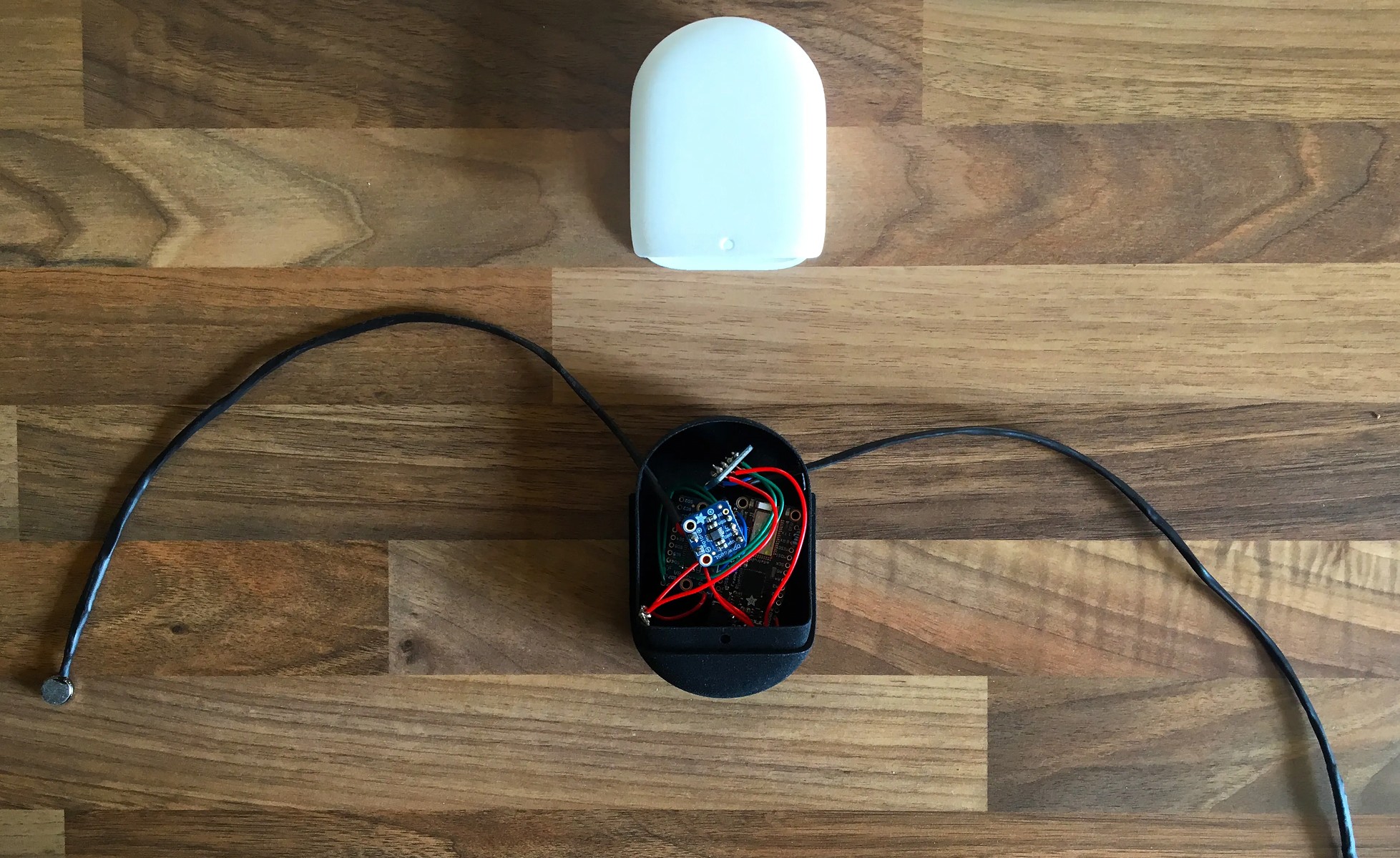
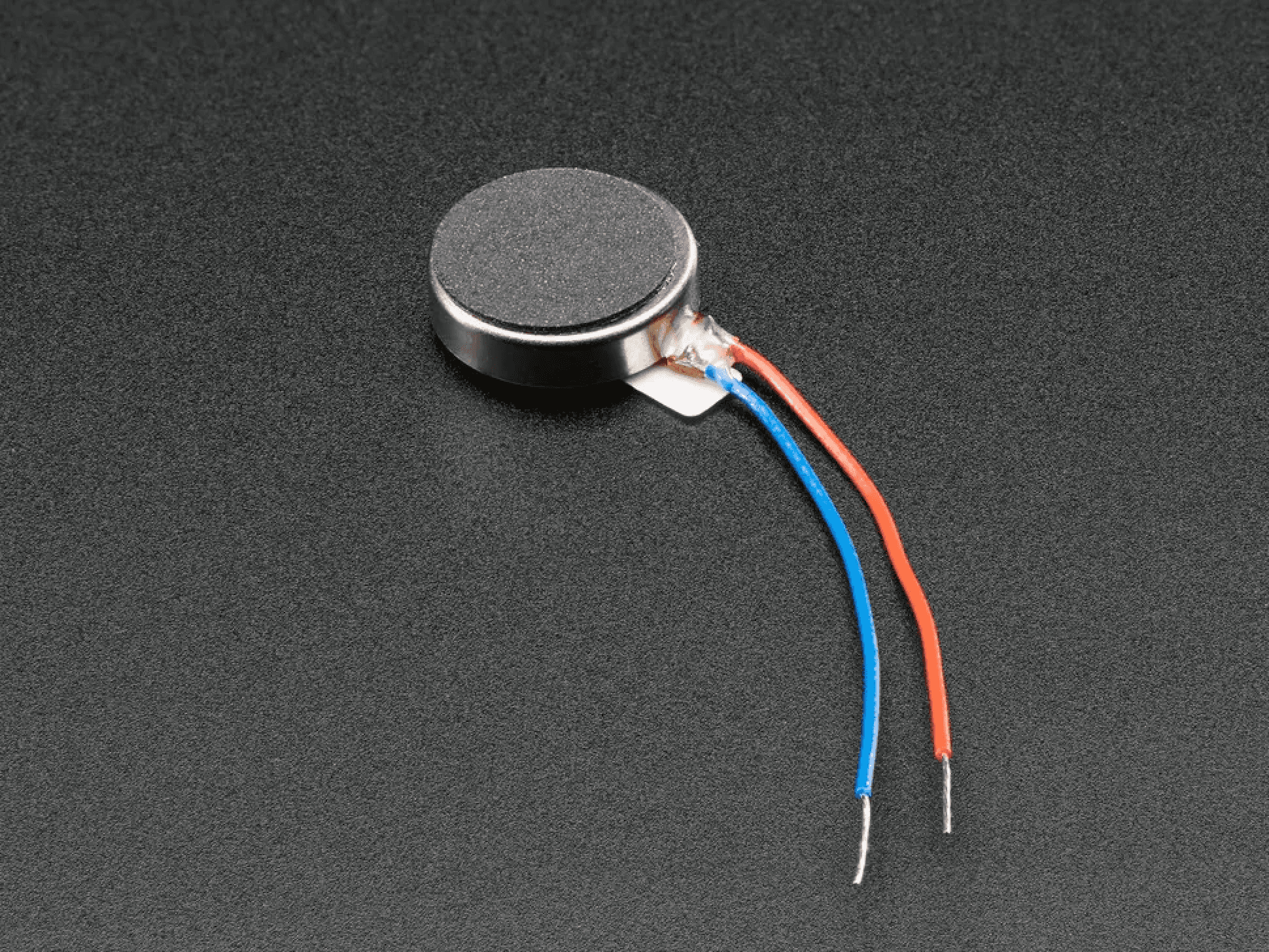
This project spanned two cities. It began in San Francisco, out of my girlfriend's apartment, and travelled with me back home to Ireland. Before leaving SF, I purchased a basic Arduino Uno along with some various supplies to get started. The idea was to use the Uno as a prototype board to test and design how the vibration patterns would work and to use the Feather to try and connect to the iOS app and send information back and forth over Bluetooth. Having both separated worked well as I could load up two completely different sketches, keeping functionality and problems isolated.
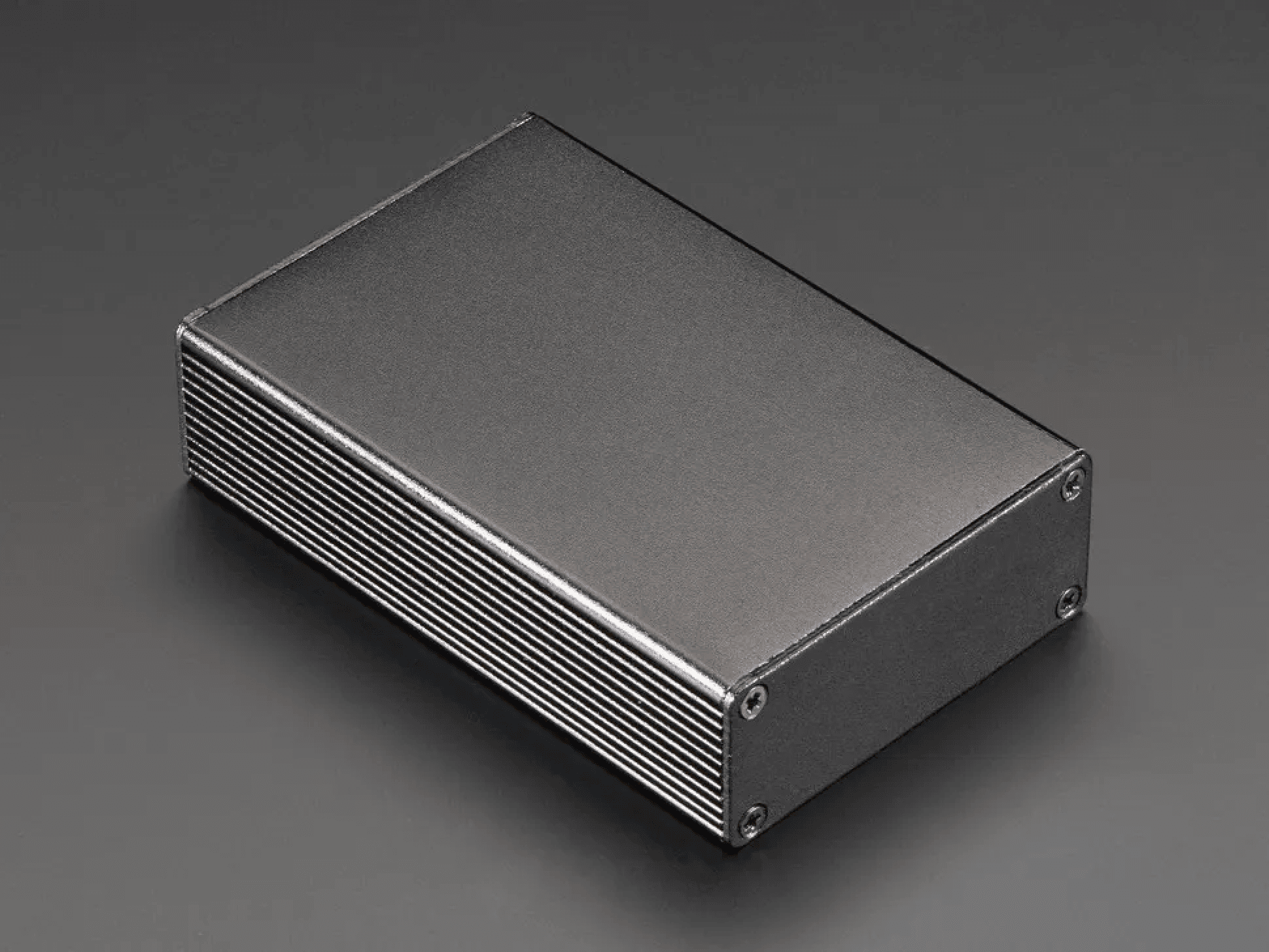
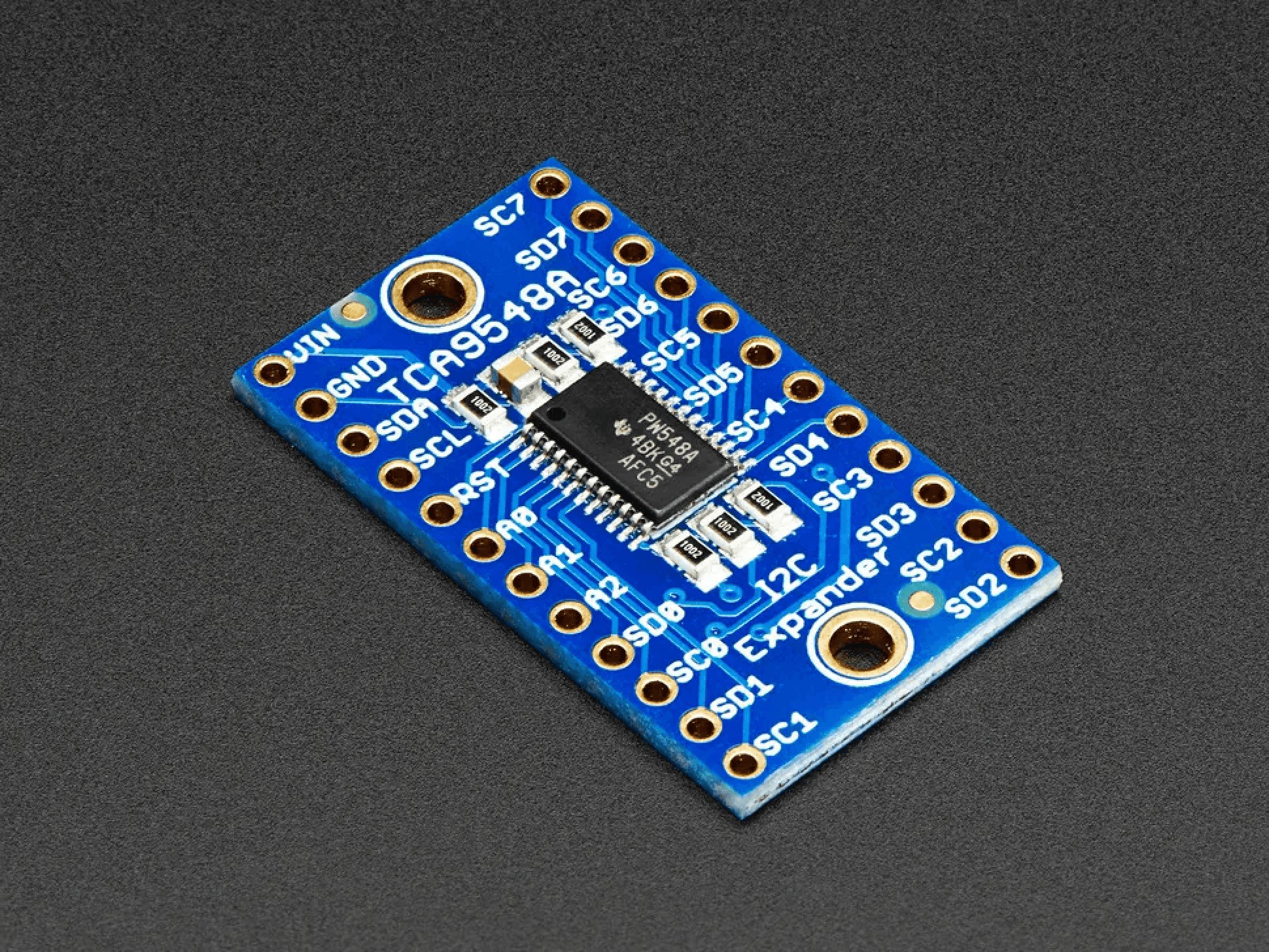
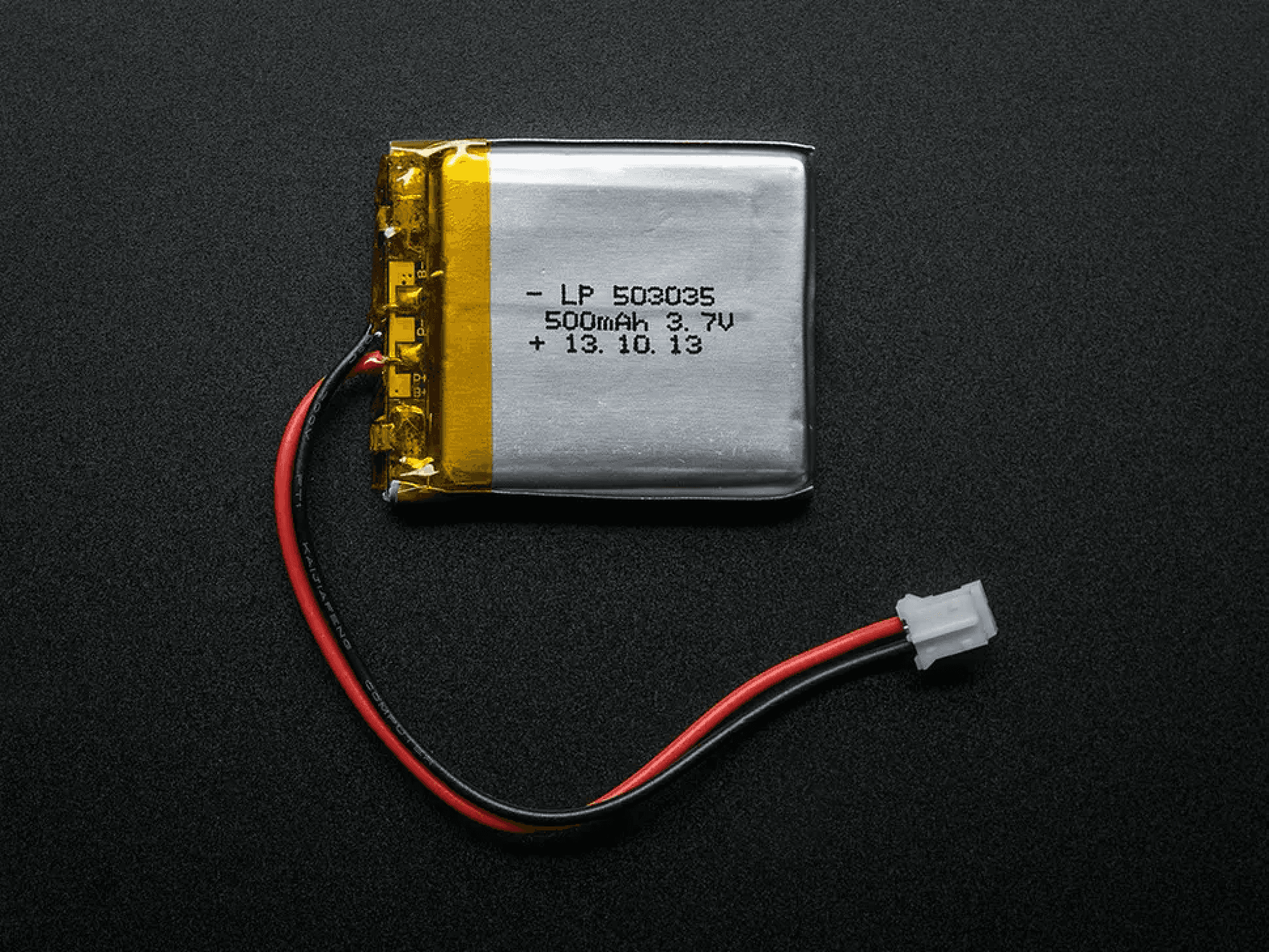
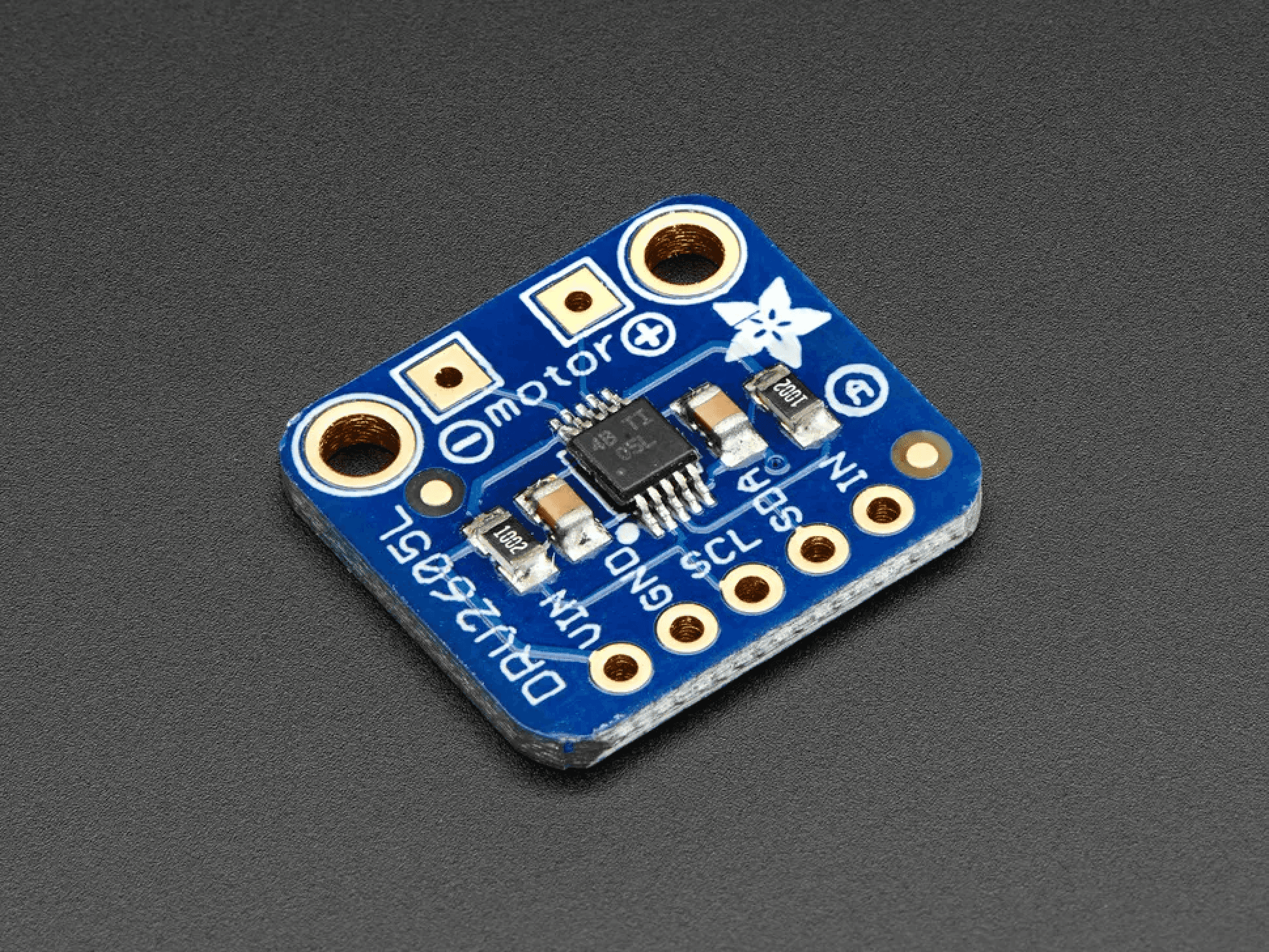
App
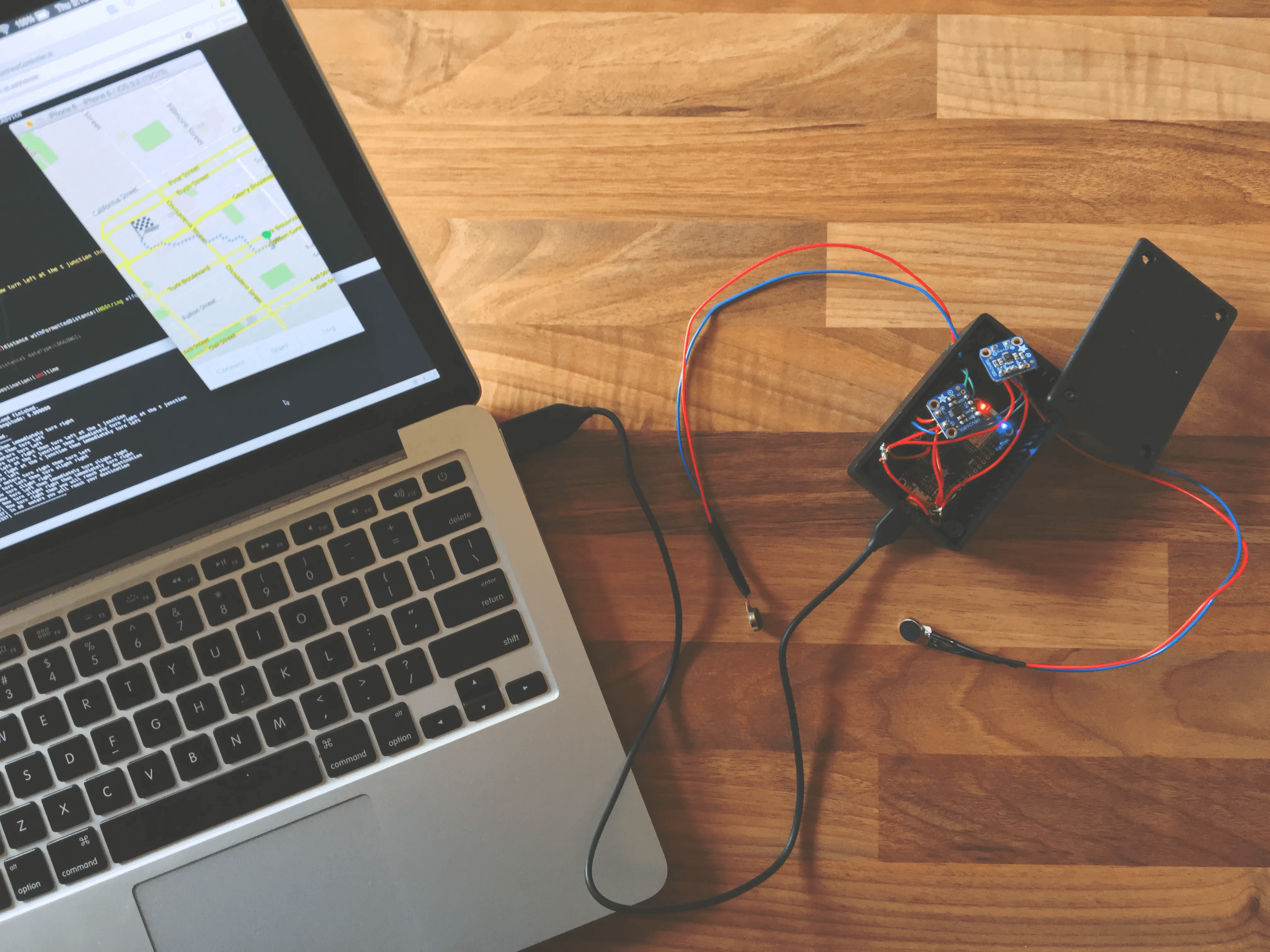
An important element of this was to build an app to bridge the gap between the user and the hardware. The app would serve as the brain for the system, guiding its operation and providing vital feedback. I used an open source platform called Skobbler and built a very simple iOS app around that to have a functioning mapping system that would also push updates to the Arduino over bluetooth when it was time to take a left or right turn depending on the phones orientation.
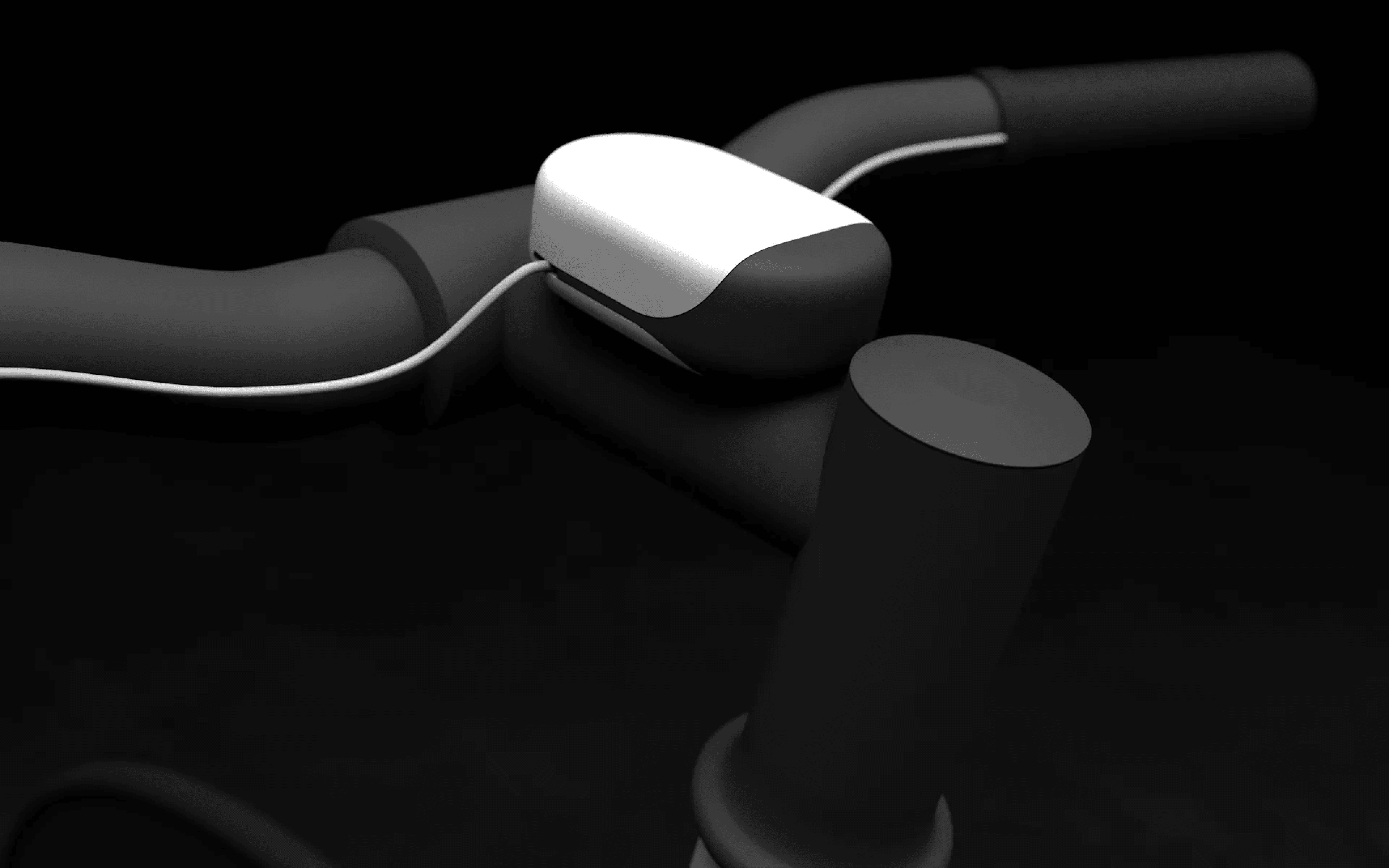
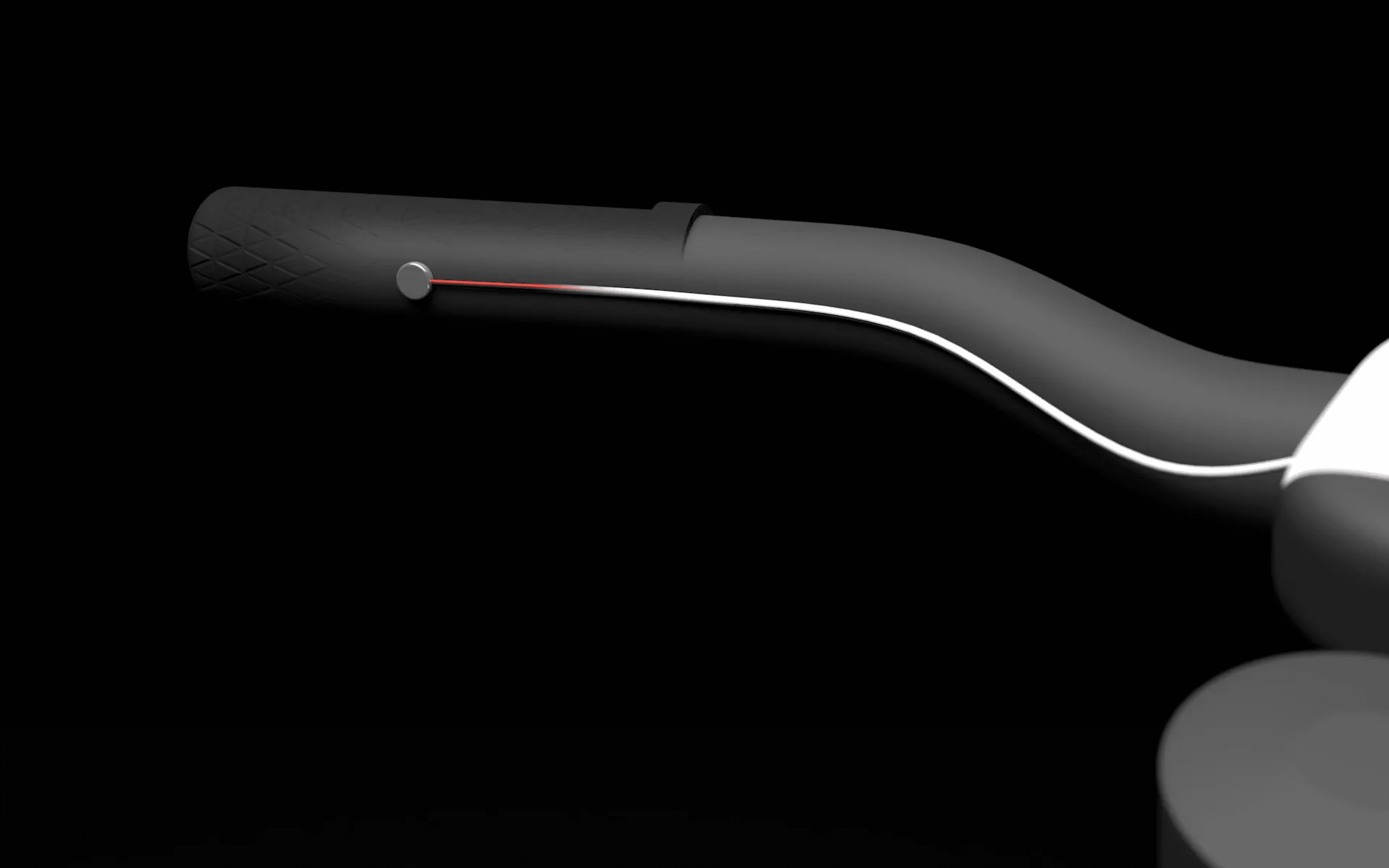
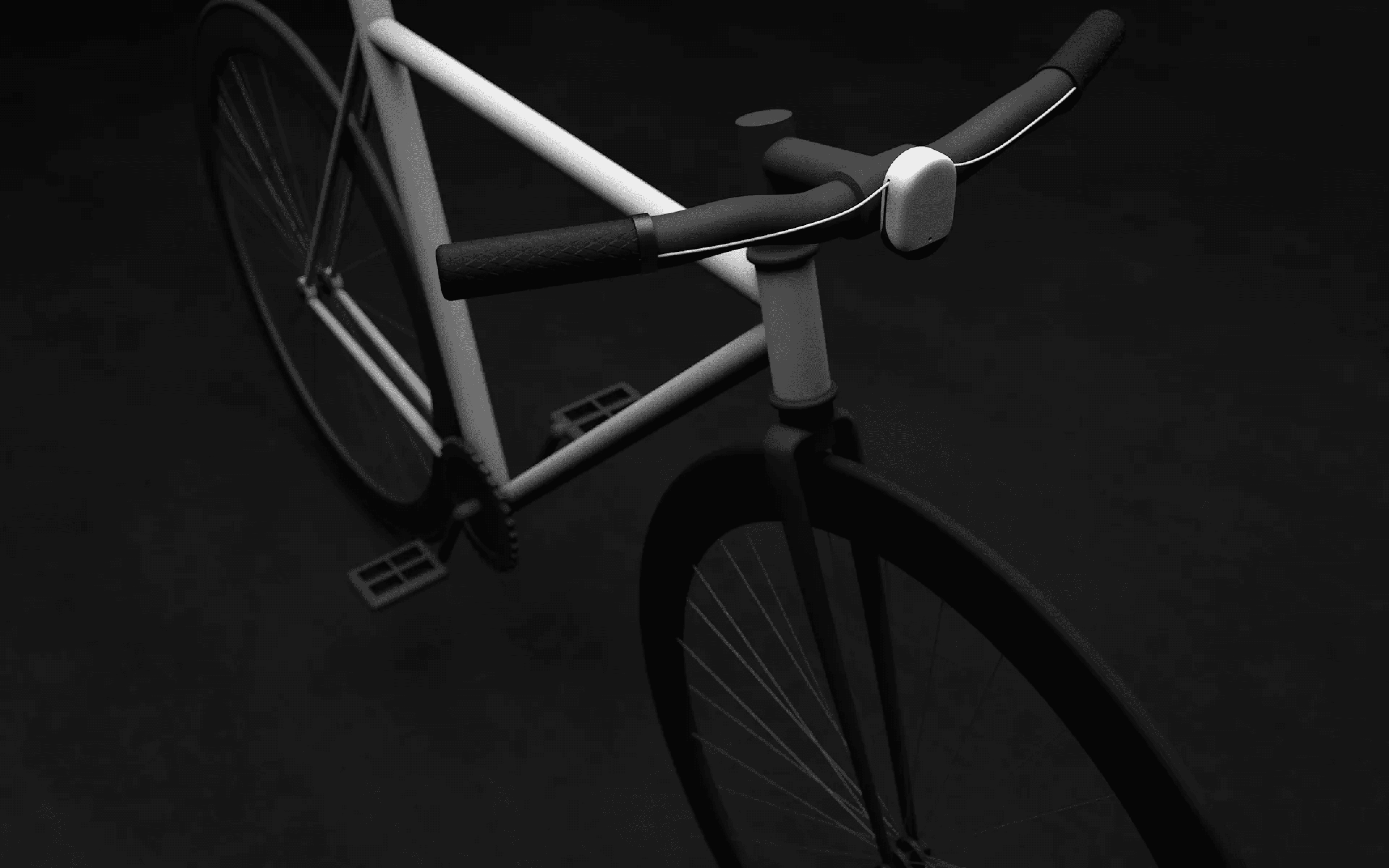
Below is an illustrated video mockup of that system in action.
Casing
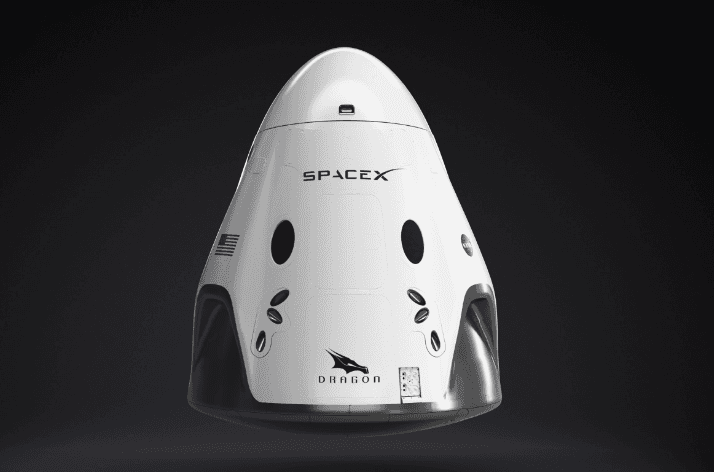
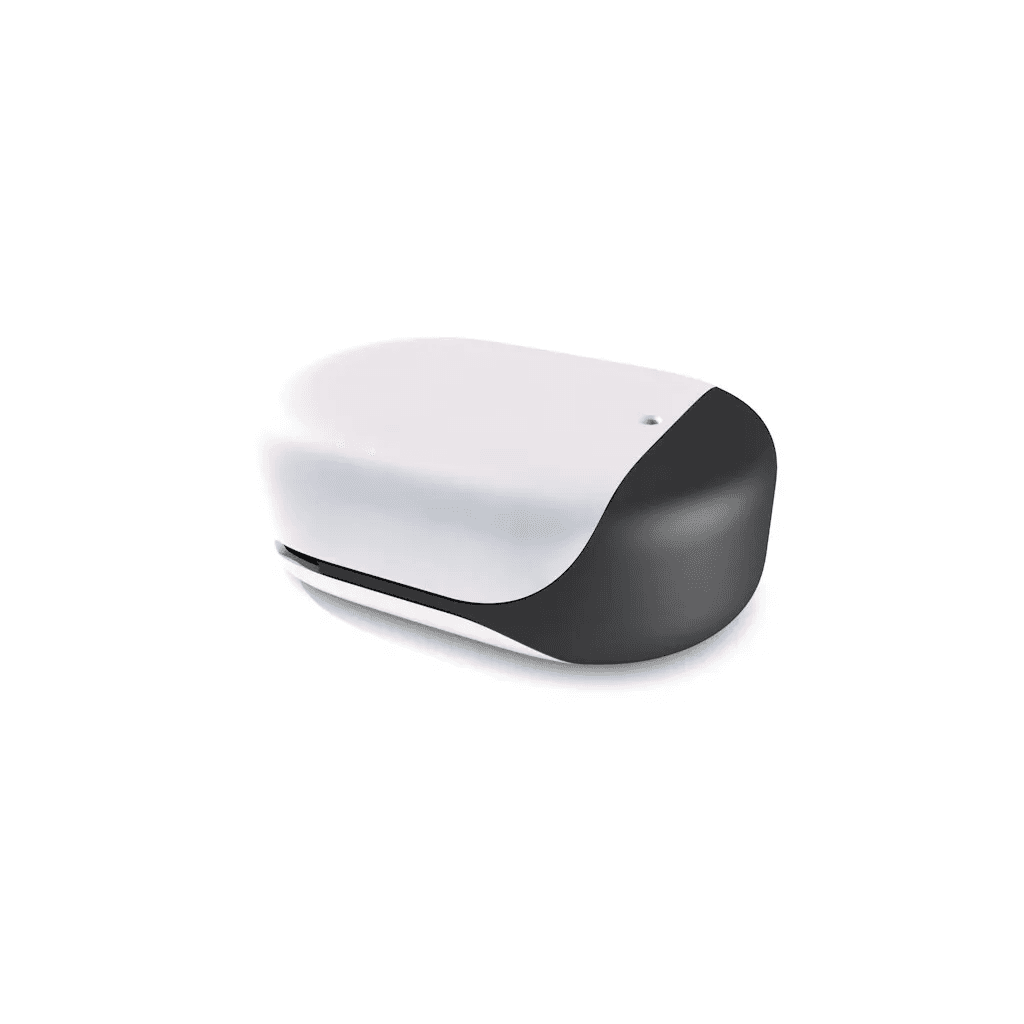
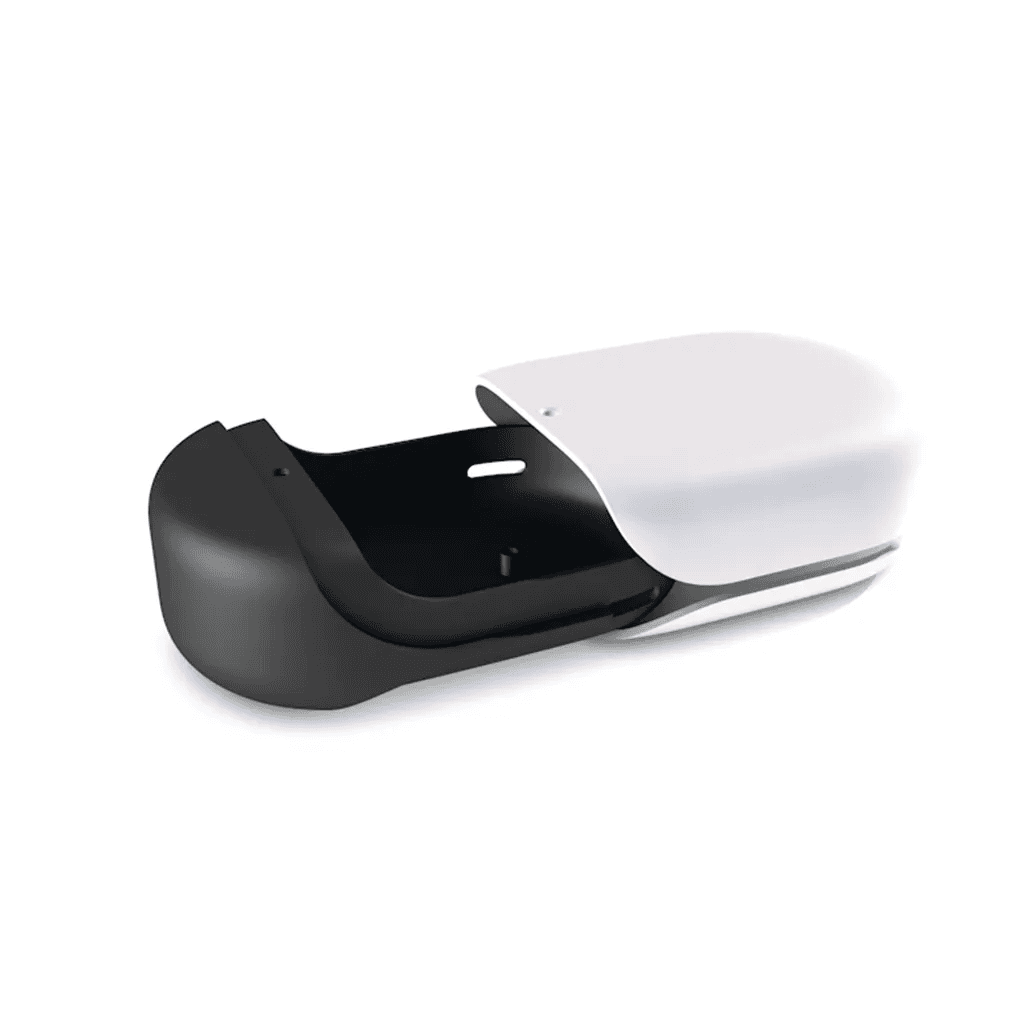
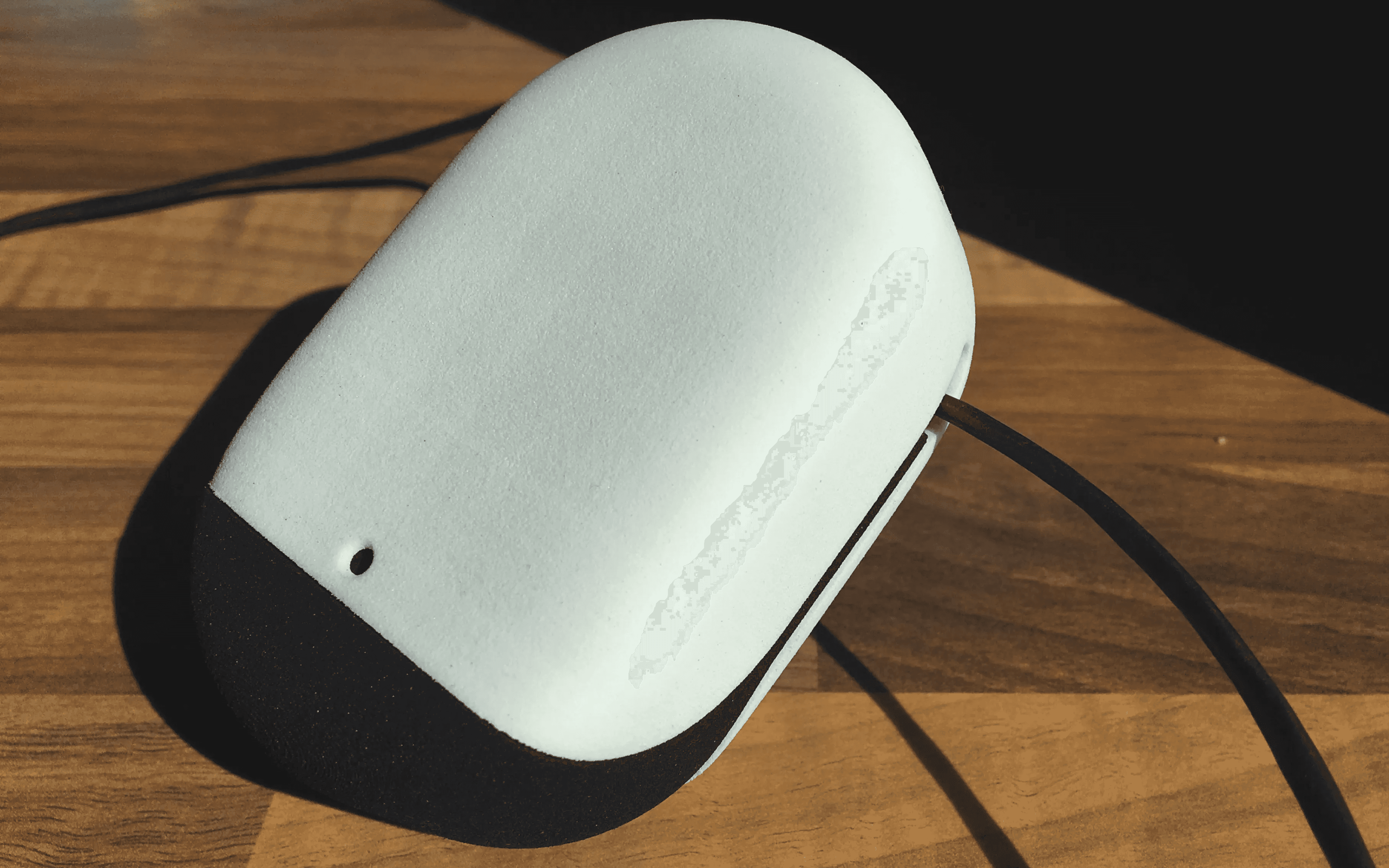
One thing I didn't want this project to look like was a spider's web of components, so I 3D modeled the case in Cinema 4D and ordered a print from Shapeways. I took inspiration from various real-world objects, none of which were bike fixtures, but instead the SpaceX Dragon capsule.